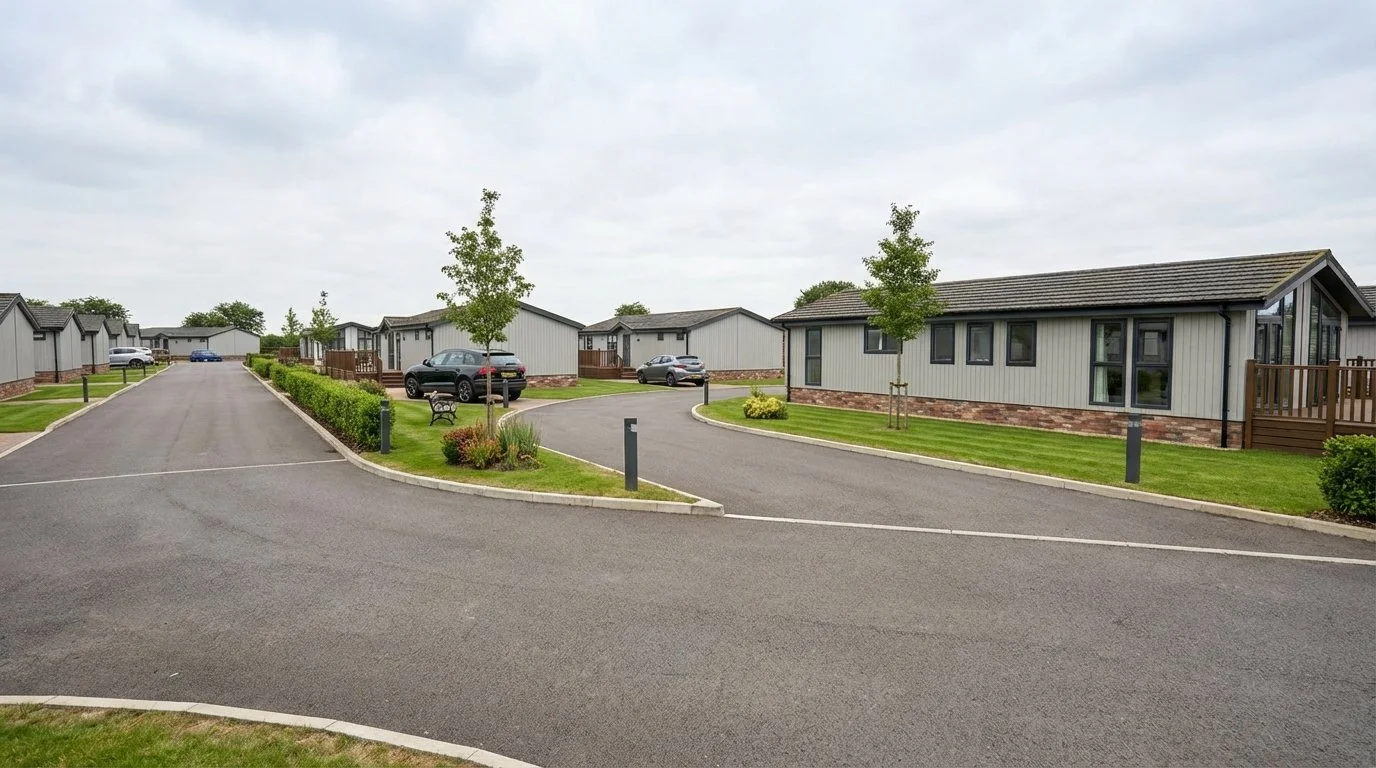
Wisefield Farm - Holiday Park
Project Overview:
Location: East Riding of Yorkshire
Architectural Designer: Gray Architectural Design
Project Type: Holiday Park Development & Masterplanning
Introduction:
Wisefield Farm Holiday Park is a rural leisure development located within the East Riding of Yorkshire, set in an open countryside context and designed to provide high-quality holiday accommodation within a landscaped, well-structured environment. Gray Architectural Design (GAD) was appointed to support the client in developing a coherent architectural and site-wide vision for the holiday park, balancing commercial viability with placemaking, landscape integration, and planning policy compliance.
The project evolved through a design-led process that focused on elevating the quality of the holiday accommodation and ensuring the development responded sensitively to its rural setting, while remaining practical to deliver and operate.
Site & Context:
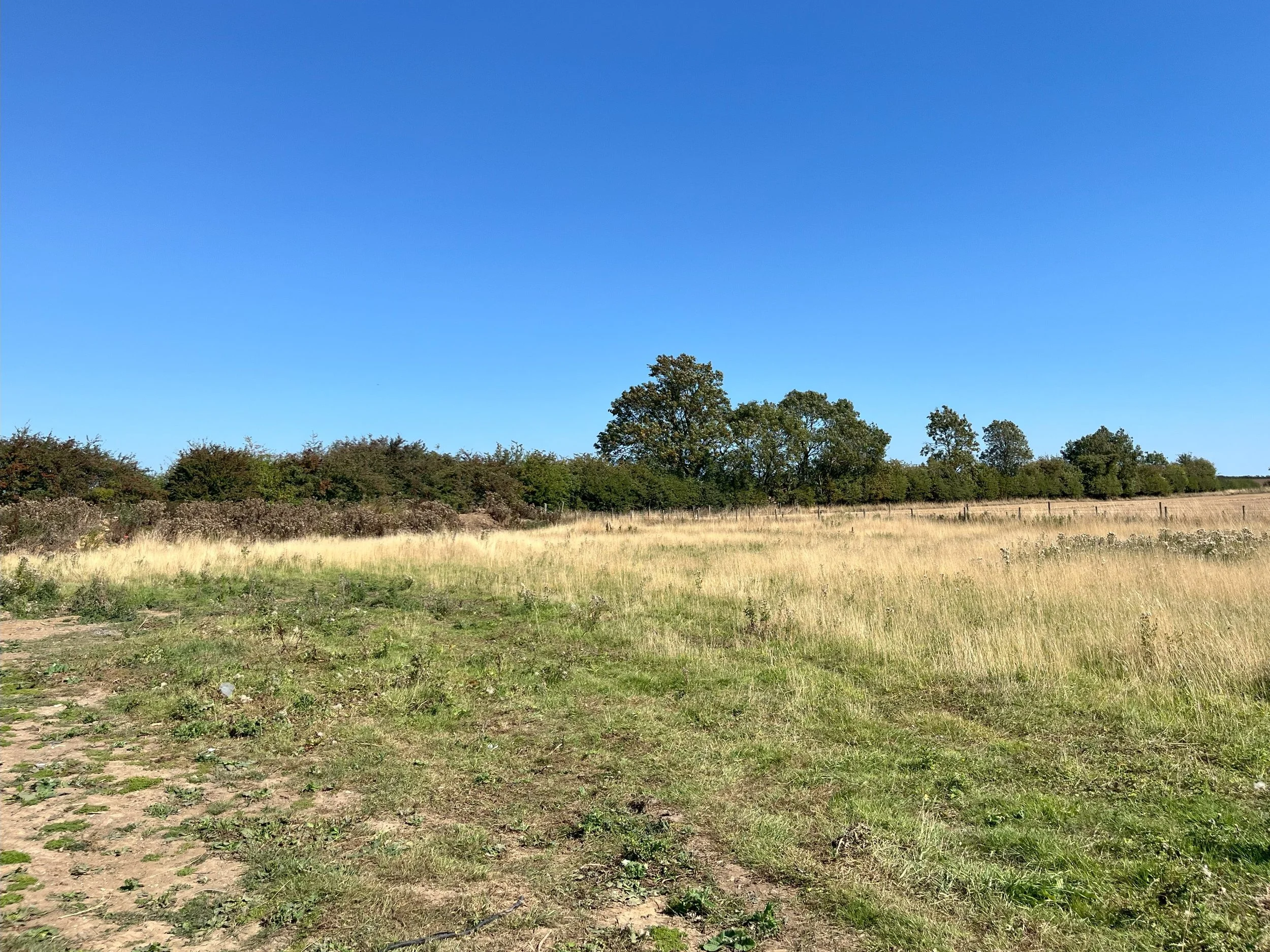
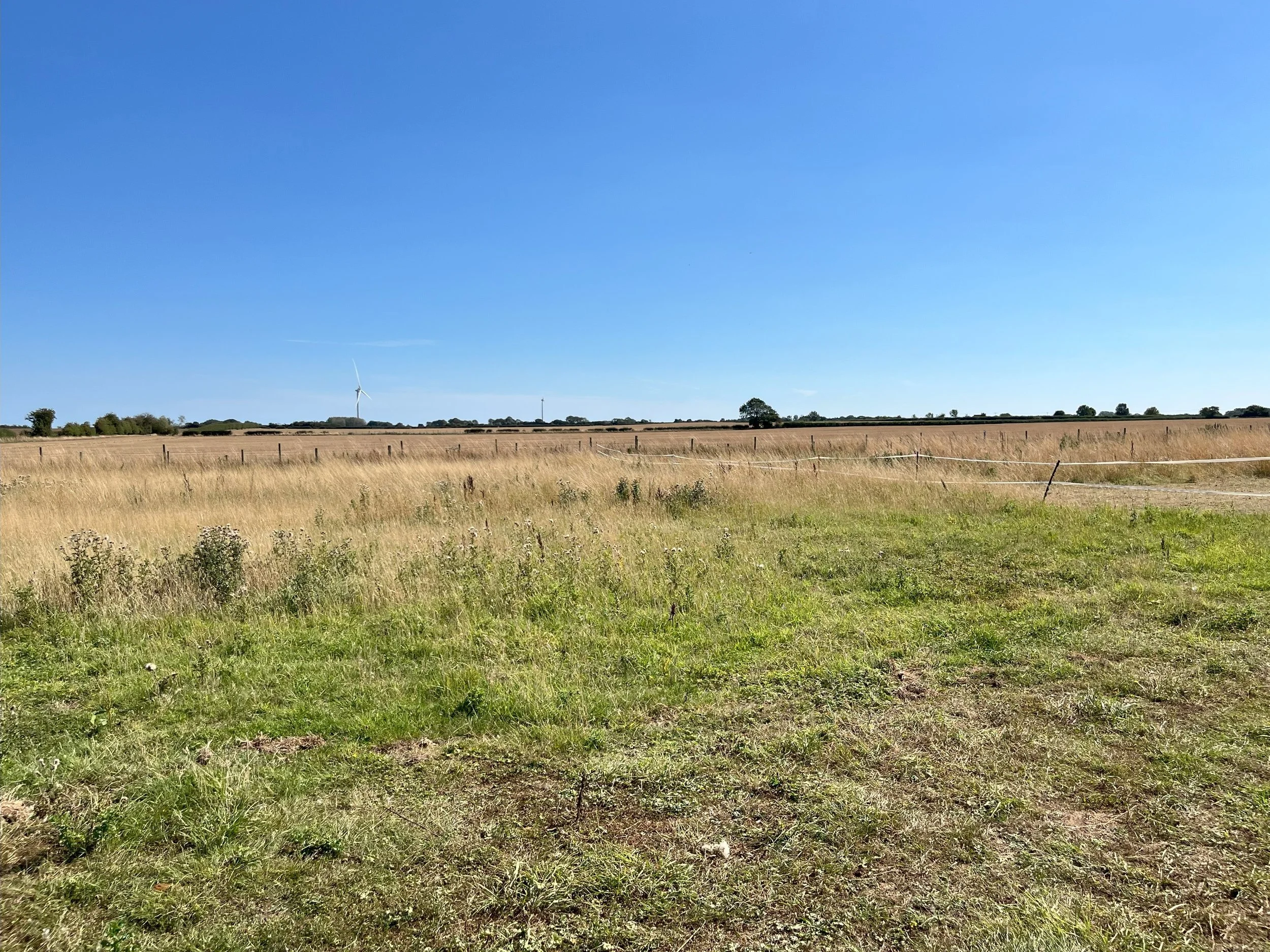
Wisefield Farm occupies an agricultural setting, with expansive views across the surrounding countryside. The site’s rural character and openness were key considerations from the outset, influencing the layout strategy, density, orientation of units, and the approach to landscaping and access.
A core objective of the project was to ensure that the holiday park read as a low-impact, well-integrated development, rather than a dense or visually intrusive scheme. Careful attention was therefore given to spacing between units, retained views, and soft landscape buffers.
Project Scope:
GAD’s scope covered the strategic planning and architectural development of the holiday park, including:
Holiday Accommodation
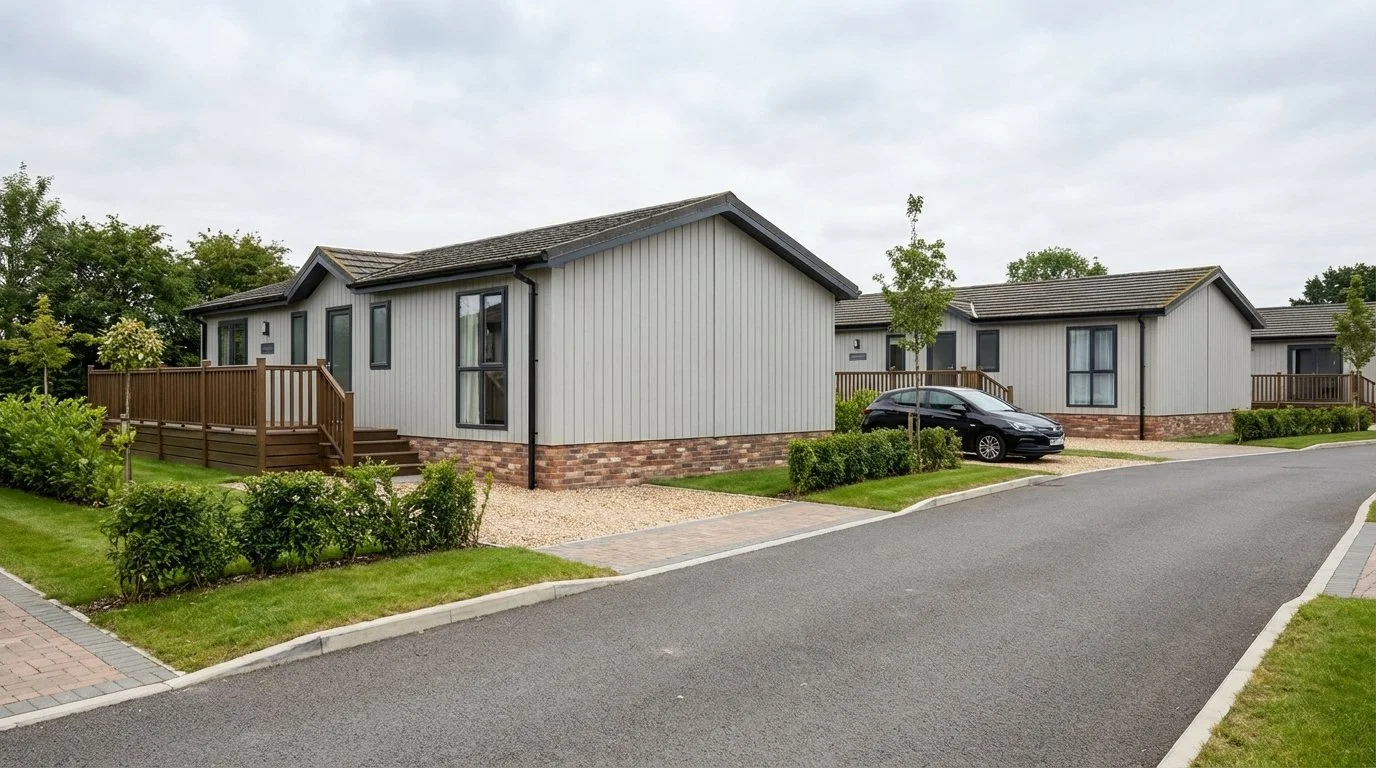
Arrangement of static holiday homes / lodges across the site (mix of unit types and orientations)
Consideration of privacy, outlook, and relationship between neighbouring units
Plot positioning to maximise views while minimising visual impact
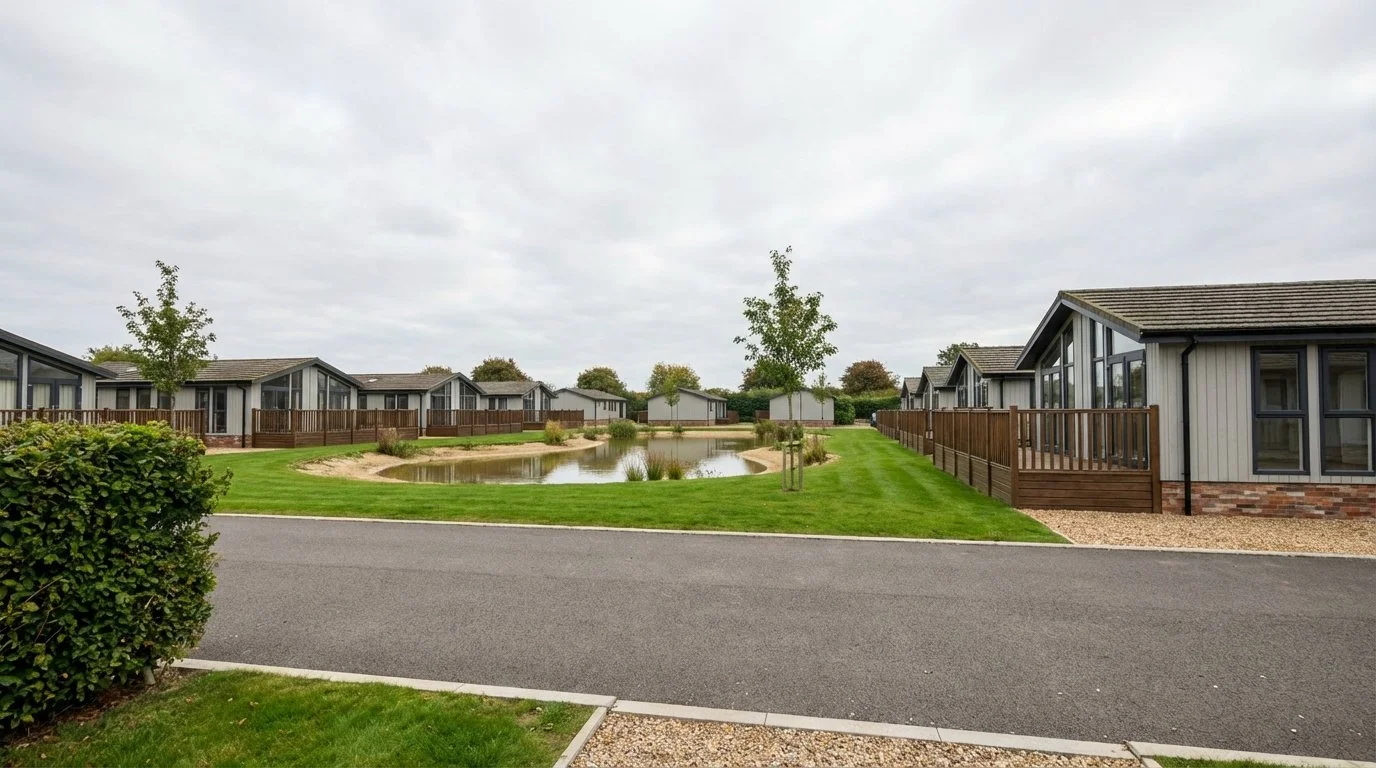
Sustainable drainage design including a central lake.
Site Layout & Masterplanning
Development of a clear and legible site layout plan, including:
Internal access roads and circulation
Parking arrangements adjacent to units
Defined arrival and entrance sequence
Creation of a hierarchy of spaces, from public arrival areas to quieter, private accommodation zones
Landscape & Amenity
Integration of landscaping proposals, including grassed areas, planting, and seating
Use of soft landscaping to break up built form and reinforce the rural character
Inclusion of communal features (such as seating areas and focal landscape elements) to enhance visitor experience
Visualisation & Presentation
Preparation of 3D visualisations to communicate the proposed layout and character of the holiday park
Visuals used as a key tool to support client decision-making and stakeholder engagement
Images prepared to assist with marketing, planning discussions, and public-facing material
Planning and Regulatory Considerations:
The project required careful consideration of local planning policy relating to:
Holiday accommodation in the countryside
Visual impact and landscape character
Access, highways, and internal circulation
Density, spacing, and overall site appearance
GAD worked to ensure that the proposed layout and scale of development were proportionate to the site and capable of being supported by a robust planning justification, while remaining commercially realistic for the client.
Design Approach:
The architectural approach focused on clarity, consistency, and restraint, ensuring that the holiday units and site infrastructure complemented rather than competed with the landscape. Key principles included:
Simple, repeatable unit typologies for efficient delivery
Consistent spacing and alignment to avoid visual clutter
Strong emphasis on landscaping as a primary design element
A calm and legible site layout that enhances the visitor experience
Challenges and Considerations:
Balancing Density and Quality: Achieving a viable number of units without compromising openness and visual quality
Rural Sensitivity: Ensuring the development respected its countryside setting and avoided suburban character
Operational Practicality: Designing a layout that works efficiently for both guests and long-term site management
Benefits and Outcomes:
The Wisefield Farm Holiday Park project delivers a well-considered framework for a rural leisure development that:
Enhances the appeal and marketability of the holiday park
Creates a strong sense of place through layout and landscaping
Responds sensitively to its countryside location
Provides a clear and deliverable masterplan for phased implementation
The use of visualisation and early-stage masterplanning ensured that design quality and commercial objectives were aligned from the outset.
Conclusion:
Wisefield Farm Holiday Park demonstrates Gray Architectural Design’s ability to apply architectural and technical expertise beyond traditional residential projects, delivering thoughtful, policy-aware solutions for leisure and tourism developments.
Through a structured masterplanning approach, clear architectural principles, and effective visual communication, GAD has supported the creation of a holiday park that is both commercially robust and environmentally responsive.
For further information regarding this project, please feel free to contact Dean Gray, Gray Architectural Design.